
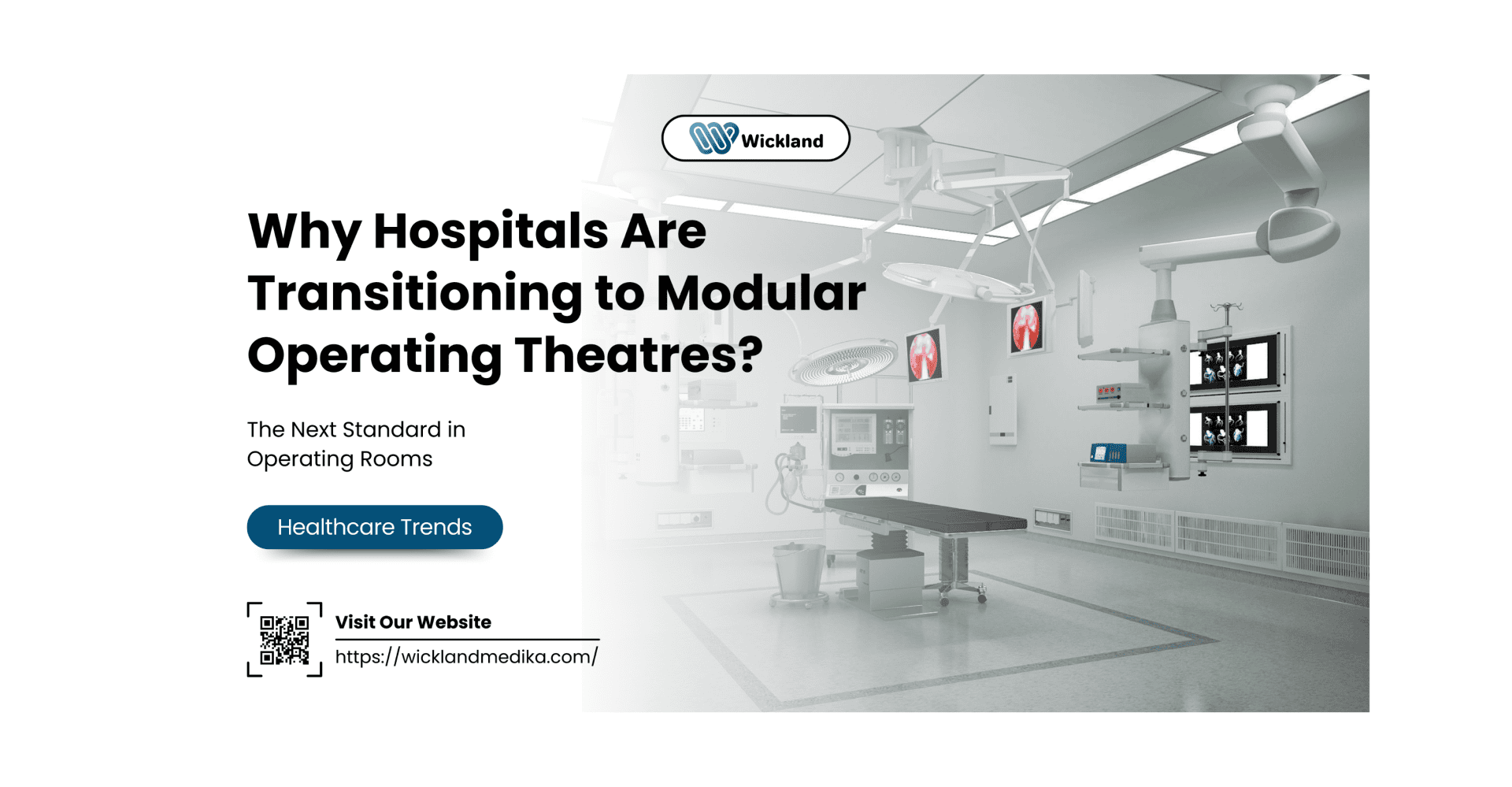
Hospitals are increasingly transitioning from conventional operating rooms to Modular Operating Theatres (MOT) to meet higher standards of safety and infection control. MOT systems use prefabricated panels with smooth, sealed surfaces that reduce dust accumulation and microbial growth, helping maintain sterile environments. The World Health Organization and Centers for Disease Control and Prevention emphasize that proper operating room environmental control is essential in reducing surgical site infections and improving patient outcomes (WHO, 2016; CDC, 2017). In Indonesia, these principles are also reflected in Ministry of Health regulations on hospital environmental health standards (Kepmenkes No. 1204/MENKES/SK/X/2004).
In addition to infection control, MOT offers faster installation and greater flexibility compared to conventional construction. Prefabricated systems minimize downtime and allow easier integration of surgical lights, pendants, and medical equipment. Studies show modular healthcare construction improves efficiency and supports future upgrades without major structural changes (Gupta & Kant, 2017; Lawson et al., 2014).
Modern MOT designs also align with ventilation standards from ASHRAE, which recommend positive pressure airflow and high-efficiency filtration to reduce airborne contamination (ASHRAE, 2021). By combining infection control, efficiency, and integrated technology, Modular Operating Theatres have become a strategic solution for hospitals seeking safer, future-ready surgical environments.