
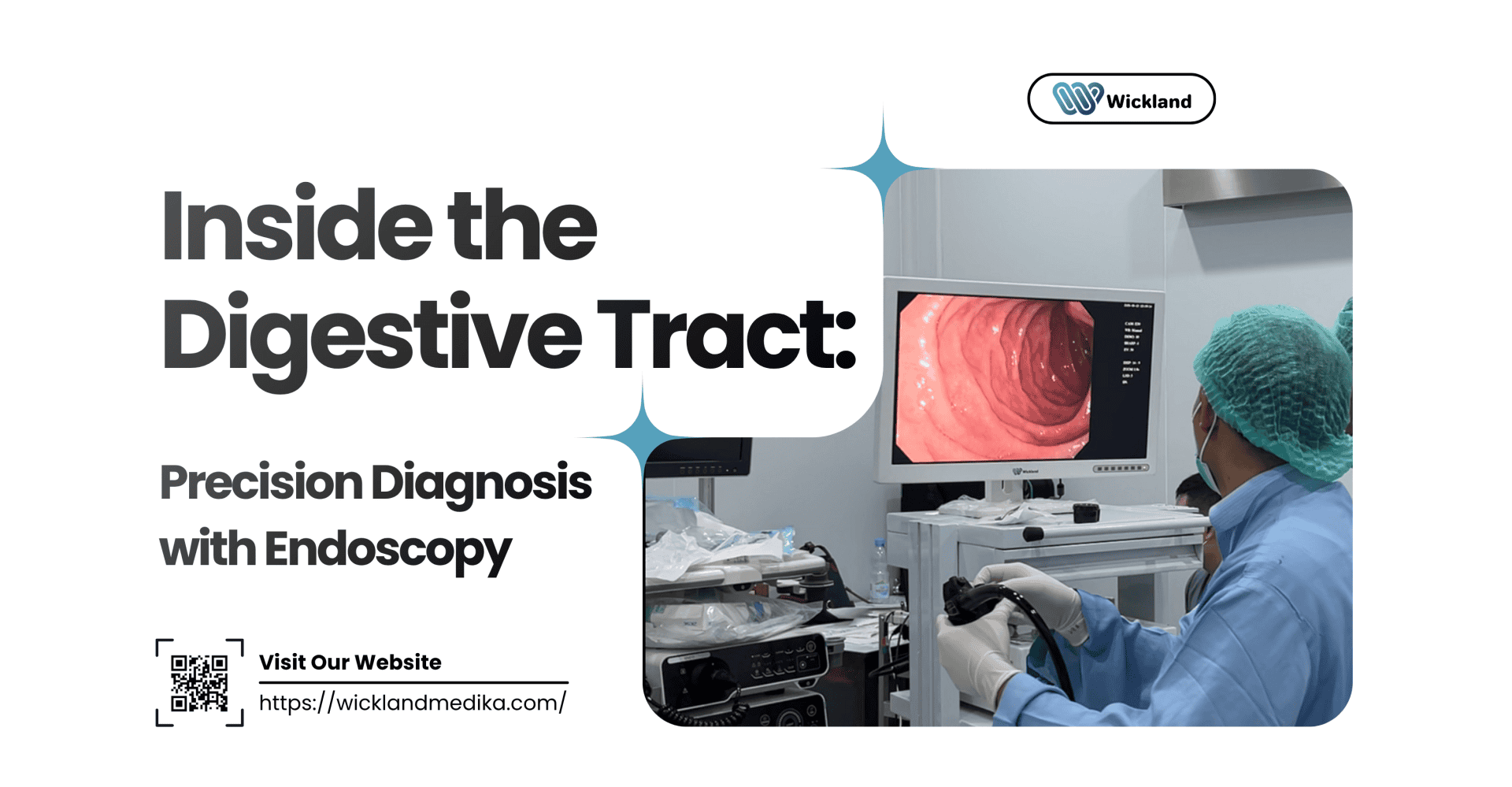
Upper gastrointestinal endoscopy is a minimally invasive procedure used to examine the esophagus, stomach, and duodenum in detail. It provides direct visualization using a flexible endoscope with a high-resolution camera. This allows physicians to identify abnormalities more accurately than conventional imaging methods. It is commonly indicated for symptoms such as abdominal pain, nausea, or unexplained digestive issues. Endoscopy plays an important role in early detection and accurate diagnosis of gastrointestinal conditions.
During the procedure, a flexible endoscope is inserted through the mouth and guided into the upper digestive tract. The camera sends real-time images to a monitor for detailed evaluation. Sedation may be given to improve patient comfort throughout the process. In some cases, tissue sampling or minor interventions can also be performed. The procedure is generally safe and has a short recovery time.
Advancements in endoscopy technology have improved image quality, precision, and procedural safety. These improvements allow earlier detection of conditions such as inflammation, ulcers, and bleeding. As a result, patients can receive treatment more quickly and effectively. Endoscopy remains a key tool in modern gastrointestinal diagnosis due to its accuracy and versatility.